
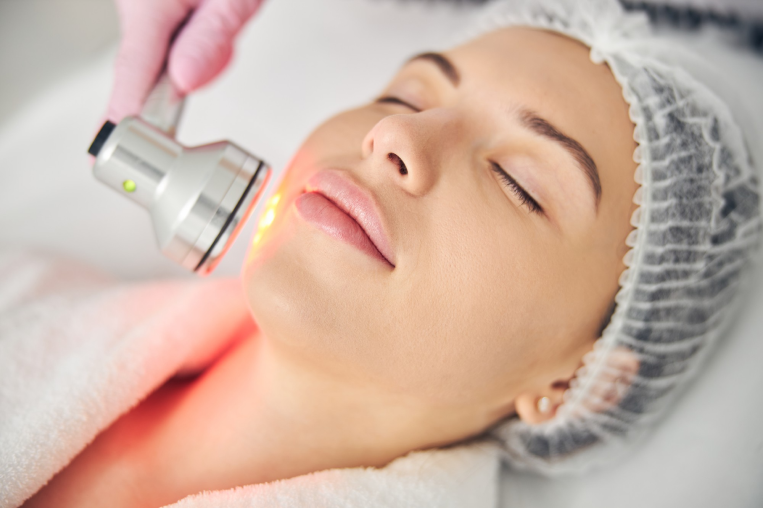
Large pores and uneven skin texture are common concerns that can affect the overall appearance of the skin, leading to a dull or aged look. The fractional CO2 laser has emerged as an effective solution for addressing these issues by stimulating collagen production and promoting skin regeneration. This advanced laser treatment creates microscopic zones of controlled damage in the skin, which triggers the body’s natural healing response. Over time, this process improves skin texture, tightens pores, and restores a smoother, more youthful complexion. Understanding the procedure, its benefits, and the recovery process is essential for achieving the best results.
How Fractional CO2 Laser Improves Skin Texture:
Fractional CO2 laser works by delivering precise microbeams of laser energy into the deeper layers of the skin. These micro-injuries stimulate collagen and elastin production while preserving surrounding healthy tissue. The result is a gradual remodeling of the skin’s structure, leading to smoother texture, reduced pore size, and improved overall tone. The fractional approach allows for effective treatment with shorter recovery times compared to traditional ablative lasers, making it a preferred option for many patients.
Benefits of Fractional CO2 Laser for Large Pores:
Treating large pores with fractional CO2 laser offers several advantages, including:
Reduced pore size and visibility
Smoother, more even skin texture
Stimulation of collagen and elastin for firmer skin
Minimization of fine lines and superficial scars
Gradual, natural-looking results without invasive surgery
Patients often notice improvements within a few weeks, with continued benefits as collagen remodeling progresses.
Areas That Can Be Treated:
Fractional CO2 laser is versatile and can target multiple areas where texture irregularities and enlarged pores are common. These areas include:
Face, especially the cheeks, nose, and forehead
Neck and décolletage
Hands and other areas prone to sun damage or scarring
Around the eyes to reduce fine lines and mild texture issues
Targeting these areas helps restore a uniform, rejuvenated appearance.
The Procedure Explained:
The fractional CO2 laser procedure is typically performed in a clinical or dermatology setting. Key steps include:
Cleansing and preparing the skin
Applying a topical anesthetic to minimize discomfort
Delivering laser energy in controlled microbeams to the targeted areas
Post-treatment application of soothing ointments or cooling agents
Sessions usually last 30–60 minutes, depending on the size of the treated area, and multiple sessions may be recommended for optimal results.
Recovery and Downtime:
Recovery after fractional CO2 laser treatment is an important part of achieving smooth, even skin. Common experiences during recovery include:
Redness and mild swelling for several days
Formation of tiny scabs or crusts as the skin heals
Mild tightness or sensitivity in treated areas
Peeling or flaking as new, rejuvenated skin emerges
Most patients can resume daily activities within a week, though visible improvements continue to develop over several weeks as collagen and elastin remodel the skin.
Potential Risks and Side Effects:
Although fractional CO2 laser is generally safe, temporary side effects can occur. These may include:
Redness and swelling
Mild discomfort or itching
Temporary lightening or darkening of the skin
Small scabs forming during the healing process
Severe complications are rare but may include prolonged pigmentation changes or infection. Choosing a qualified and experienced practitioner minimizes these risks.
Aftercare Tips:
Proper aftercare is essential to optimize results and minimize complications. Recommended practices include:
Gently cleansing and moisturizing the treated area
Avoiding direct sun exposure and using broad-spectrum sunscreen
Refraining from harsh skincare products, such as chemical exfoliants or retinoids
Applying any prescribed ointments or topical treatments
Maintaining hydration and a gentle skincare routine
Following these steps ensures smoother healing and enhances the long-term benefits of the treatment.
Ideal Candidates:
Not everyone is suitable for fractional CO2 laser treatment. Ideal candidates usually:
Have visible large pores or uneven skin texture
Are in good overall health with no active skin infections
Have realistic expectations about treatment outcomes
Can adhere to post-treatment care instructions and attend follow-up appointments
Patients with very sensitive skin, recent tanning, or certain medical conditions should consult a dermatologist before undergoing treatment.
Expected Results and Longevity:
Results from fractional CO2 laser for large pores and uneven texture are gradual and long-lasting. Patients can expect:
Reduced pore size and smoother skin surface
Improved overall skin texture and tone
Enhanced firmness and elasticity due to collagen stimulation
Long-term benefits maintained with proper skincare and sun protection
Full results may take several weeks to months to become fully visible as the skin continues to remodel.
Final Thoughts:
Fractional CO2 laser is an effective, non-surgical solution for improving large pores and uneven skin texture. By stimulating collagen and elastin production and promoting skin regeneration, it delivers smoother, firmer, and more youthful-looking skin over time. Success depends on selecting a qualified practitioner, understanding the procedure, and following proper aftercare. With consistent care and patience, patients can achieve noticeable improvements in skin texture and pore size, enhancing their overall appearance and confidence.